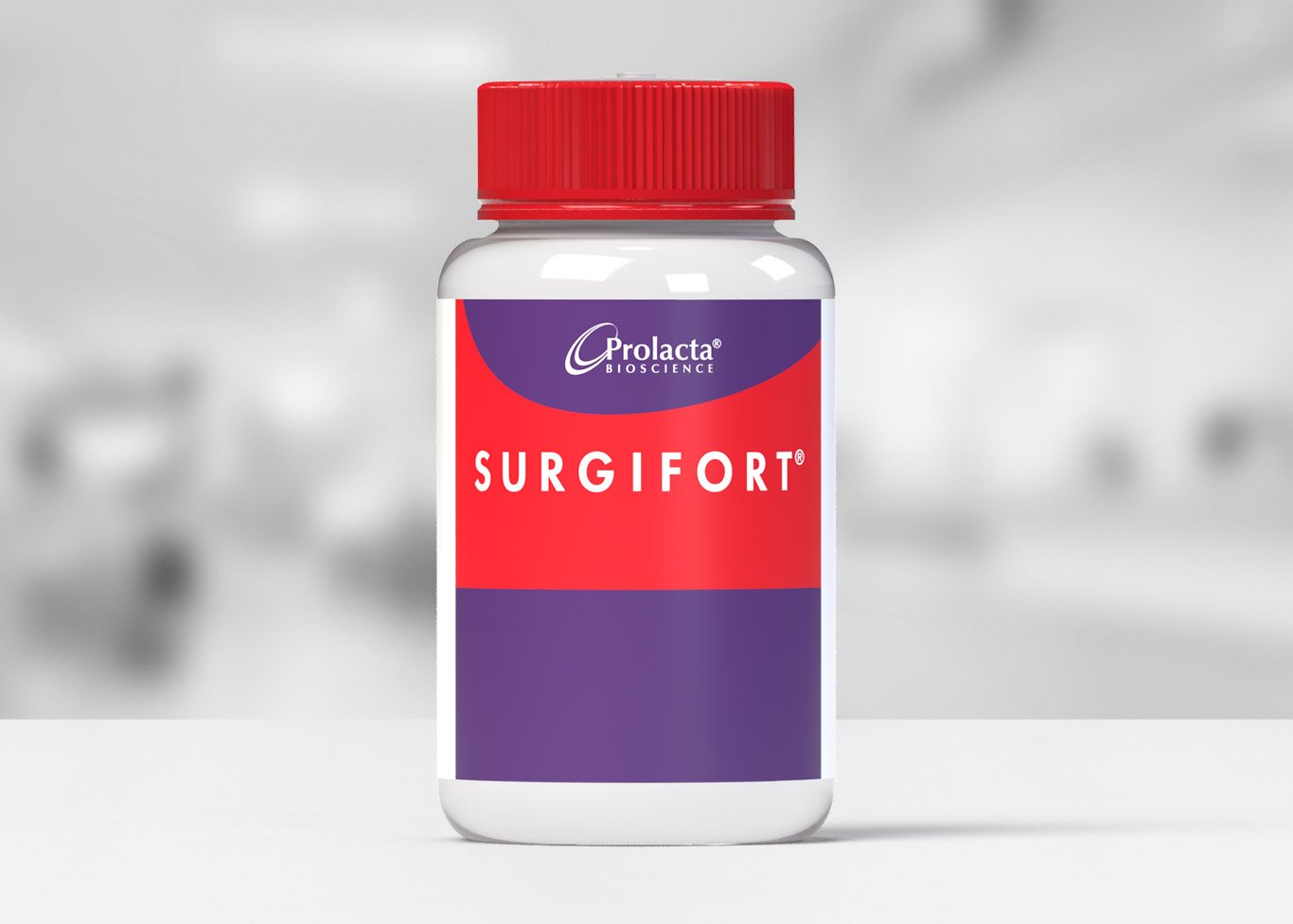
A 100% human milk-based fortifier from Prolacta® Bioscience

Clinicians
Karpen, H. Impact of an Exclusive Human Milk Diet in Neonates with Congenital Gastrointestinal Disorders: Initial Clinical Results. Oral presentation at ISHMSI, Vienna, 2022 available at: https://player.vimeo.com/ video/722923273?h=3b58d480a0

After an infant undergoes surgery, nothing nurtures like an exclusive human milk diet
Prolacta's human milk-based fortifiers, when used as part of an Exclusive Human Milk Diet, have been shown in more than 20 peer- review studies to improve health outcomes and reduce the most serious complications of prematurity.2Sullivan S, Schanler RJ, Kim JH, et al. An exclusively human milk-based diet is associated with a lower rate of necrotizing enterocolitis than a diet of human milk and bovine milk-based products. J Pediatr. 2010;156(4):562-567. doi:10.1016/j.jpeds.2009.10.040
,3Policy related ques2ons # +800 77 65 22 82 $ privacy@prolacta.com All other ques2ons # +800 77 65 22 82 $ info@prolacta.com 3 Abrams SA, Schanler RJ, Lee ML, Rechtman DJ. Greater mortality and morbidity in extremely preterm infants fed a diet containing cow milk protein products. Breastfeed Med. 2014;9(6):281-285. doi:10.1089/ bfm.2014.0024
,4Hair AB, Peluso AM, Hawthorne KM, et al. Beyond necrotizing enterocolitis prevention: improving outcomes with an exclusive human milk-based diet. Breastfeed Med. 2016;11(2):70-74. doi:10.1089/bfm.2015.0134. Published correction appears in Breastfeed Med. 2017;12(10):663. doi:10.1089/bfm.2015.0134.correx
,5Assad M, Elliott MJ, Abraham JH. Decreased cost and improved feeding tolerance in VLBW infants fed an exclusive human milk diet. J Perinatol. 2016;36(3):216-220. doi:10.1038/jp.2015.168
,6Huston R, Lee M, Rider E, et al. Early fortification of enteral feedings for infants <1250 grams birth weight receiving a human milk diet including human milk based fortifier. J Neonatal Perinatal Med. 2020;13(2):215-221. doi:10.3233/NPM-190300
,7Huston RK, Markell AM, McCulley EA, Gardiner SK, Sweeney SL. Improving growth for infants ≤1250 grams receiving an exclusive human milk diet. Nutr Clin Pract. 2018;33(5):671-678. doi:10.1002/ncp.10054
,8Hair AB, Hawthorne KM, Chetta KE, et al. Human milk feeding supports adequate growth in infants ≤ 1250 grams birth weight. BMC Res Notes 2013;6:459. doi:10.1186/1756-0500-6-459.
While term infants requiring surgery and premature infants represent different groups of neonates, they share common challenges of poor growth and significant morbidities when a cow milk-based nutritional fortifier is used.9
Mangili G, Garzoli E, Sadou Y. Feeding dysfunctions and failure to thrive in neonates with congenital heart diseases. Pediatr Med Chir. 2018;40(1):10.4081/pmc.2018.196. Published 2018 May 23. doi:10.4081/ pmc.2018.196
,8Hair AB, Hawthorne KM, Chetta KE, et al. Human milk feeding supports adequate growth in infants ≤ 1250 grams birth weight. BMC Res Notes 2013;6:459. doi:10.1186/1756-0500-6-459.
Safe and early post- surgical fortification helps address feeding challenges in these infants.1Karpen, H. Impact of an Exclusive Human Milk Diet in Neonates with Congenital Gastrointestinal Disorders: Initial Clinical Results. Oral presentation at ISHMSI, Vienna, 2022 available at: https://player.vimeo.com/ video/722923273?h=3b58d480a0
A study with Surgifort® found that infants recovering from surgery have improved weight gain, decreased growth failure at discharge and decreased complications such necrotizing enterocolitis when fed with an Exclusive Human Milk Diet.1
Karpen, H. Impact of an Exclusive Human Milk Diet in Neonates with Congenital Gastrointestinal Disorders: Initial Clinical Results. Oral presentation at ISHMSI, Vienna, 2022 available at: https://player.vimeo.com/ video/722923273?h=3b58d480a0
Nutrition information
For the difference-making nutritional content that Surgifort fortifier provides to term infants, consult the product nutrition information.


Exclusive Human Milk Diet (EHMD) Feeding Protocol
Prior to Surgifort there wasn’t a consistent feeding protocol for term infants post-surgery. A standardized EHMD feeding protocol provides guidance to ensure optimal caloric intake to meet each infant’s nutritional needs and growth goals. Reach out to us for clinician-to-clinician orientation.
Already using Surgifort? These resources are for you.
Here is where you will find product preparation instructions and supplementary information.
Prolacta Clinical Advisory Board (PCAB)
Prolacta’s Clinical Advisory Board is a group of multidisciplinary clinicians who are passionate about human milk science and nutrition. After witnessing first-hand the improved patient outcomes of an Exclusive Human Milk Diet (EHMD), our mission is to share clinical expertise and emerging research, thereby enhancing clinical practice, education, and outcomes in critically ill infants and other vulnerable patients.
Ready to help with anything you need
Citations
1 Karpen, H. Impact of an Exclusive Human Milk Diet in Neonates with Congenital Gastrointestinal Disorders: Initial Clinical Results. Oral presentation at ISHMSI, Vienna, 2022 available at: https://player.vimeo.com/ video/722923273?h=3b58d480a0
2 Sullivan S, Schanler RJ, Kim JH, et al. An exclusively human milk-based diet is associated with a lower rate of necrotizing enterocolitis than a diet of human milk and bovine milk-based products. J Pediatr. 2010;156(4):562-567. doi:10.1016/j.jpeds.2009.10.040
3 Policy related ques2ons # +800 77 65 22 82 $ privacy@prolacta.com All other ques2ons # +800 77 65 22 82 $ info@prolacta.com 3 Abrams SA, Schanler RJ, Lee ML, Rechtman DJ. Greater mortality and morbidity in extremely preterm infants fed a diet containing cow milk protein products. Breastfeed Med. 2014;9(6):281-285. doi:10.1089/ bfm.2014.0024
4 Hair AB, Peluso AM, Hawthorne KM, et al. Beyond necrotizing enterocolitis prevention: improving outcomes with an exclusive human milk-based diet. Breastfeed Med. 2016;11(2):70-74. doi:10.1089/bfm.2015.0134. Published correction appears in Breastfeed Med. 2017;12(10):663. doi:10.1089/bfm.2015.0134.correx
5 Assad M, Elliott MJ, Abraham JH. Decreased cost and improved feeding tolerance in VLBW infants fed an exclusive human milk diet. J Perinatol. 2016;36(3):216-220. doi:10.1038/jp.2015.168
6 Huston R, Lee M, Rider E, et al. Early fortification of enteral feedings for infants <1250 grams birth weight receiving a human milk diet including human milk based fortifier. J Neonatal Perinatal Med. 2020;13(2):215-221. doi:10.3233/NPM-190300
7 Huston RK, Markell AM, McCulley EA, Gardiner SK, Sweeney SL. Improving growth for infants ≤1250 grams receiving an exclusive human milk diet. Nutr Clin Pract. 2018;33(5):671-678. doi:10.1002/ncp.10054
8 Hair AB, Hawthorne KM, Chetta KE, et al. Human milk feeding supports adequate growth in infants ≤ 1250 grams birth weight. BMC Res Notes 2013;6:459. doi:10.1186/1756-0500-6-459.
9 Mangili G, Garzoli E, Sadou Y. Feeding dysfunctions and failure to thrive in neonates with congenital heart diseases. Pediatr Med Chir. 2018;40(1):10.4081/pmc.2018.196. Published 2018 May 23. doi:10.4081/ pmc.2018.196
10 Joseph S, Shores D. Neonatal feeding in practice: Nutrition principles for babies with a history of intestinal injury or resection. Contemporary PEDS Journal, October 2021, Volume 38, Issue 10.